FilmSpooler

Analog Photography…Toy, Lomo and Vintage

Fixing A Broken Colorsplash Flash…

Not all hope was lost after dropping my handy little Lomography Colorsplash flash and breaking it.  A screwdriver and soldering gun helped save the day…

What it is:

The Lomography Colorsplash Flash is a hot-shoe mountable flash unit that gives the photographer the choice of using different pre-selected color gels when the flash executes.  The photographer populates three of the four compartments with provided gels (the fourth one is a permanently fixed clear gel) in easy to figure out fashion.  Lomography also has a 35mm Colorsplash camera that follows the same design, but the advantage of using the flash on your own cameras is that you can use your camera’s features (ie zoom, multi-exposure, bulb) that the simple Colorsplash camera doesn’t have.
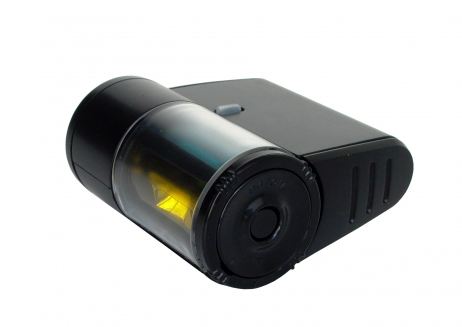
Lomography Colorsplash Flash

What Happened:

While I was helping carry some equipment around with my right hand, the Colorsplash flash in my left hand slipped off the hot-shoe on my Holga.  The poor little flash fell about three fee straight onto the hard wood floor. Thinking nothing of it, I picked and put it back on.  This wasn’t the first time I dropped it and its resilience to damage was pretty good up to then.

Unfortunately, as I went back into the party and started taking pictures again, the flash wasn’t going off with the shutter.  I ended up replacing it with another flash in my bag and moved on for the night.

Next day, I took a look a closer look at the Colorsplash flash and saw that the flash still charged up and the test button still triggered the bulb.  So the only problem with the flash was that the circuit connecting to the hot-shoe was broken.

The Take Apart:

I like taking broken things apart and, hopefully, fix them.  I probably could have taken the flash back to the store and find out if I could get a replacement, but it was the middle of the week and I didn’t have time to visit in the daytime.  Instead, I grabbed a small screwdriver, found a well lit spot in the kitchen and went at it…

Taking the Colorsplash apart wasn’t that bad.  First thing I did was take out the battery, but still kept in mind that parts in the flash may still be carrying a charge.  Next was to remove the one main screw on the bottom-side of the flash that tightens the whole unit together.

Removing the main screw...

Afterwards, I grabbed the Colorsplash and gently opened it up like a clamshell using the opened battery compartment.  There are several tabs on the unit’s end pieces that can be coerced open by gently rocking and twisting the Colorsplash case.  Also, at this point, I also removed and set aside the color-gel carousel, the power button and its spring.
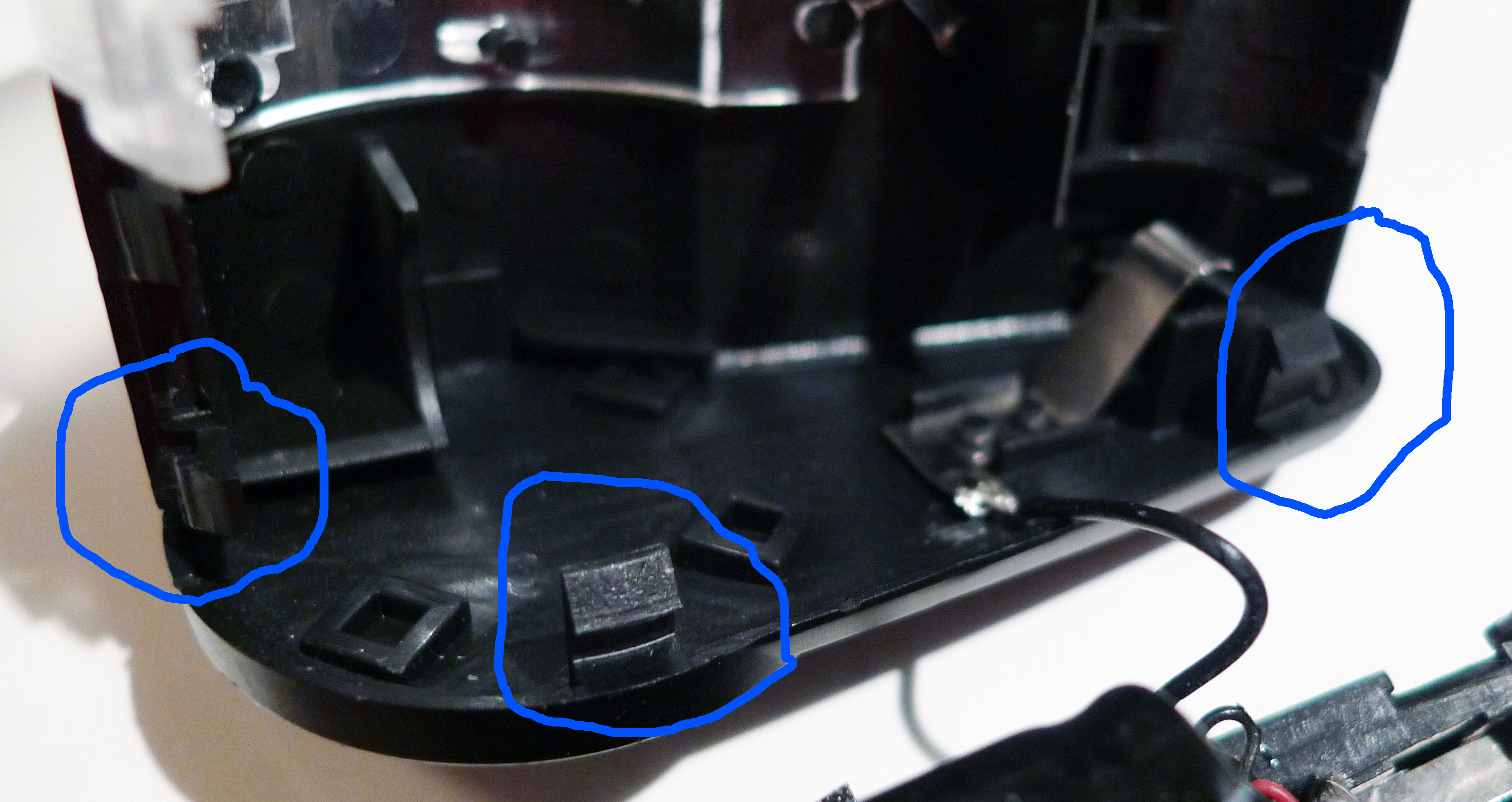
Showing the tabs in the "back" part of the Lomography Colorsplash

Lomography Colorsplash opened up

Once completely open, I looked at the part of the flash closest to the hot-shoe and saw a loose wire.  That was my broken circuit!!!

The broken connection above the hot-shoe plug

In order for the flash to execute, the shutter has to close the circuit.  I’m assuming that the fall and contact with the floor must have broken the solder between the little tab and the wire.

The Fix:

In order to fix this problem, I had to bust out with my soldering gun and some thin gauge solder.  After warming up the gun, I put the wire in place and soldered the broken pieces together.  Once I checked that I had a pretty decent physical connection again, I put everything back together.

The connection re-established using solder and a soldering gun

Putting the case back together took a little longer than I expected.  Once I put the upper part of the case over the bottom half, I also had to slip the color-gel carousel, the button and it’s spring back into the flash body.  I needed a pair of tweezers to get the power button and spring back into place since it’s such a tight spot.  Finally, after snapping all the pieces back into place I put the main screw back where it belonged and tested the flash.  I grabbed an  older Smena Symbol and mounted the Colorsplash and it worked!!!

A nice pat on the head/victory dance later, I was back in action with my fixed Colorsplash flash.  In all, it took about 45 minutes to an hour of my time to disassemble, solder and re-assemble the Colorsplash Flash.

I did add one other piece to my Colorsplash: a lens cap keeper which I attached to the Colorsplash body using an adhesive tab.  The lens cap keeper’s elastic tether can wrap around the camera or lens bodies and keep the flash from falling to the ground again.

Using a lens keeper gives me a little more security

Warning:

Just keep in mind that the Lomography Colorsplash Flash is an electrical device that stores electrical charges and then releases them.  I’m not telling anyone to go out and fix their flash units themselves.  I’m just showing you what I did and that it was a fairly easy fix.  If you’ve worked on repairing electrical devices, then this would be a straight forward fix for you, otherwise I suggest that you keep your receipts and head to your local Lomography store.

The Pictures:

In case you’ve never seen a Lomography Colorsplash before, here are a few pictures that show it at work…
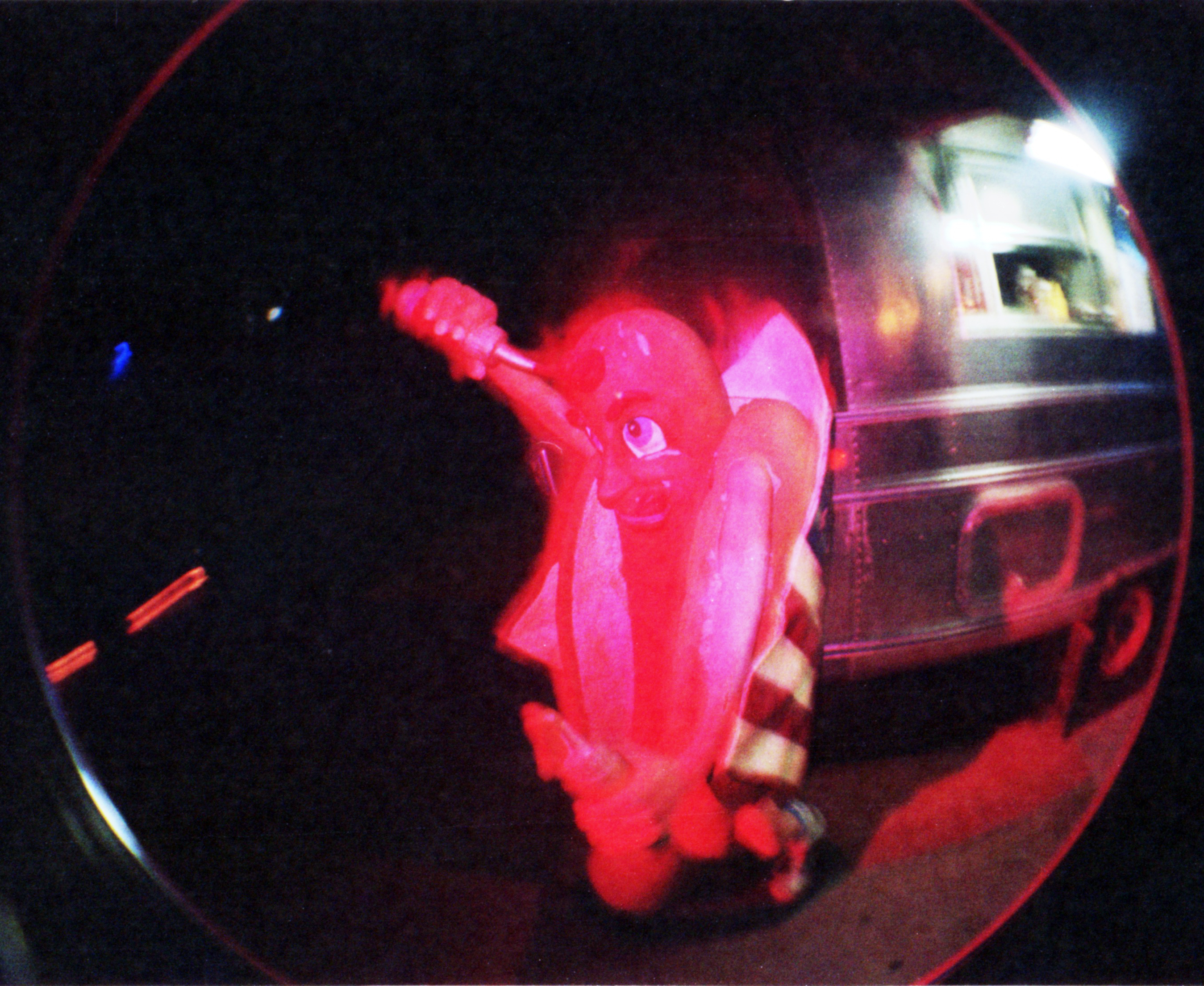
Lomography Fisheye 2 with Colorsplash Flash
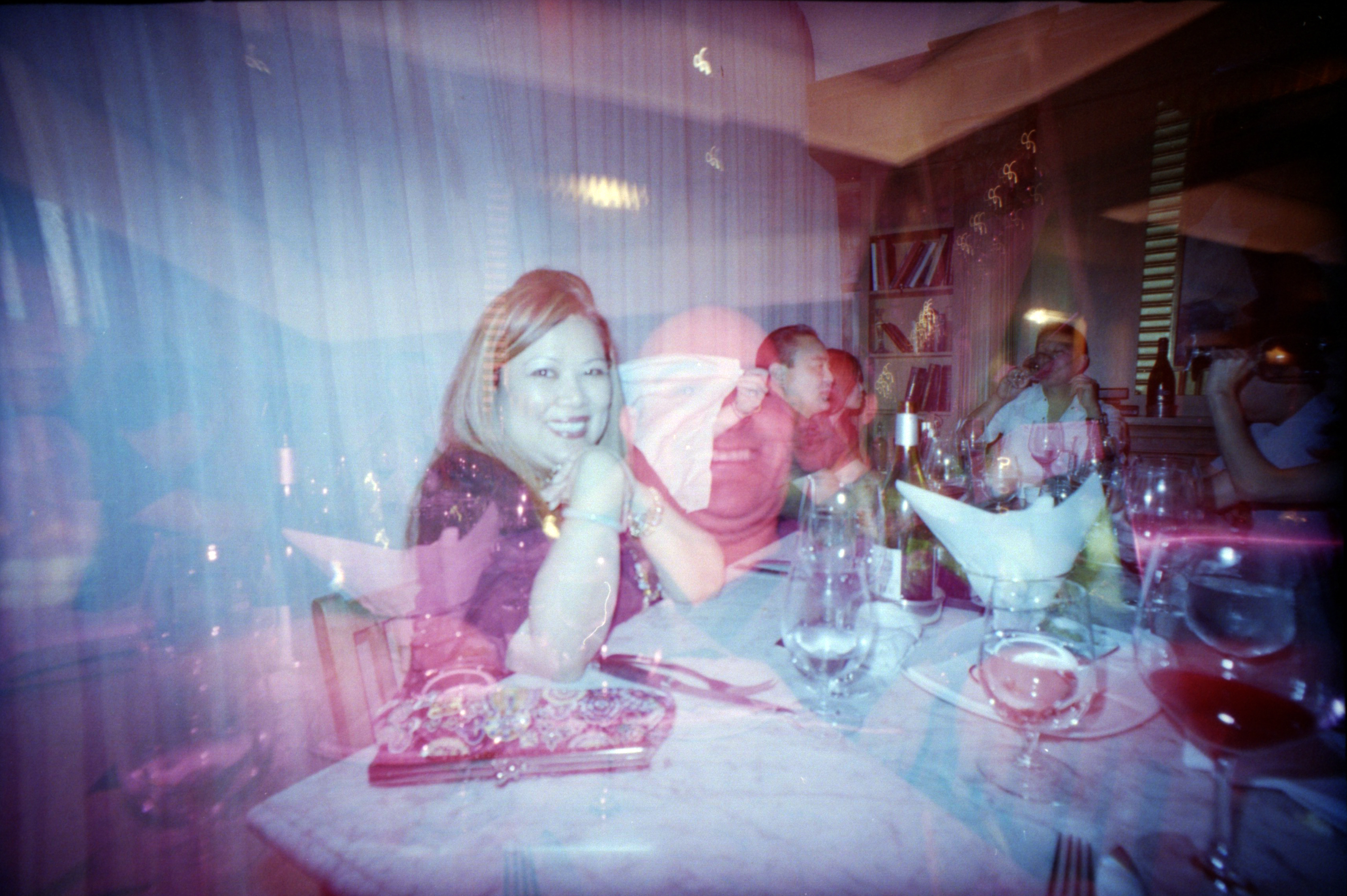
Lomography LC-Wide with the Colorsplash Flash
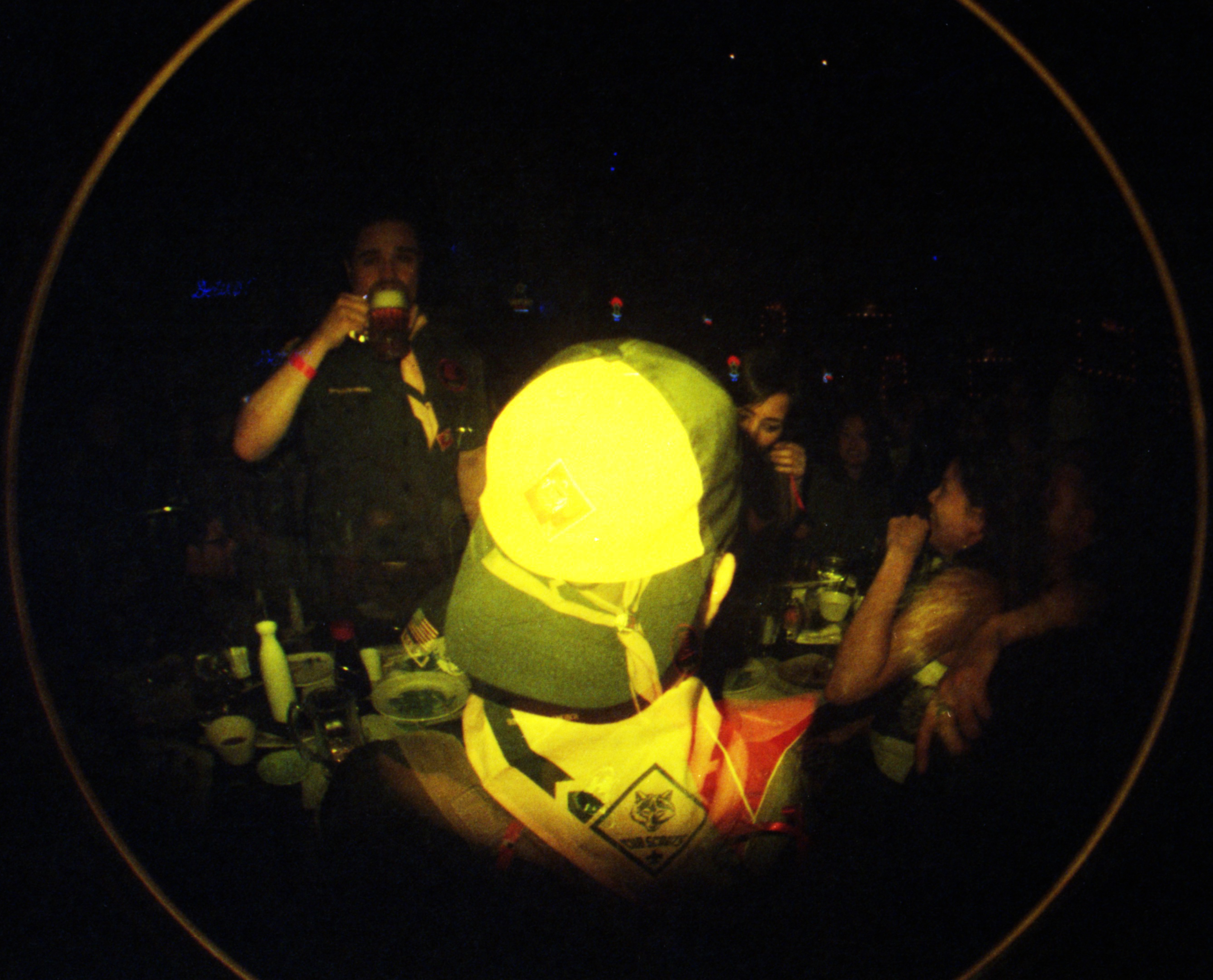
Lomography Fisheye 2 with Colorsplash Flash

Filed under: Accessories, Analog Life, Russian Camera, Toy Camera, Vintage Camera, , , ,

PhotoLoc: Alcatraz in San Francisco

Where:

Today’s PhotoLoc article, we’ll take a look at pictures of Alcatraz Island in San Francisco, California.

I went to Alcatraz for the first time, since I was a kid, last year. This time around, with cameras in hand, I tried to some decent shots of the cell house, the land and the views of San Francisco across the water.

Enjoy!!!

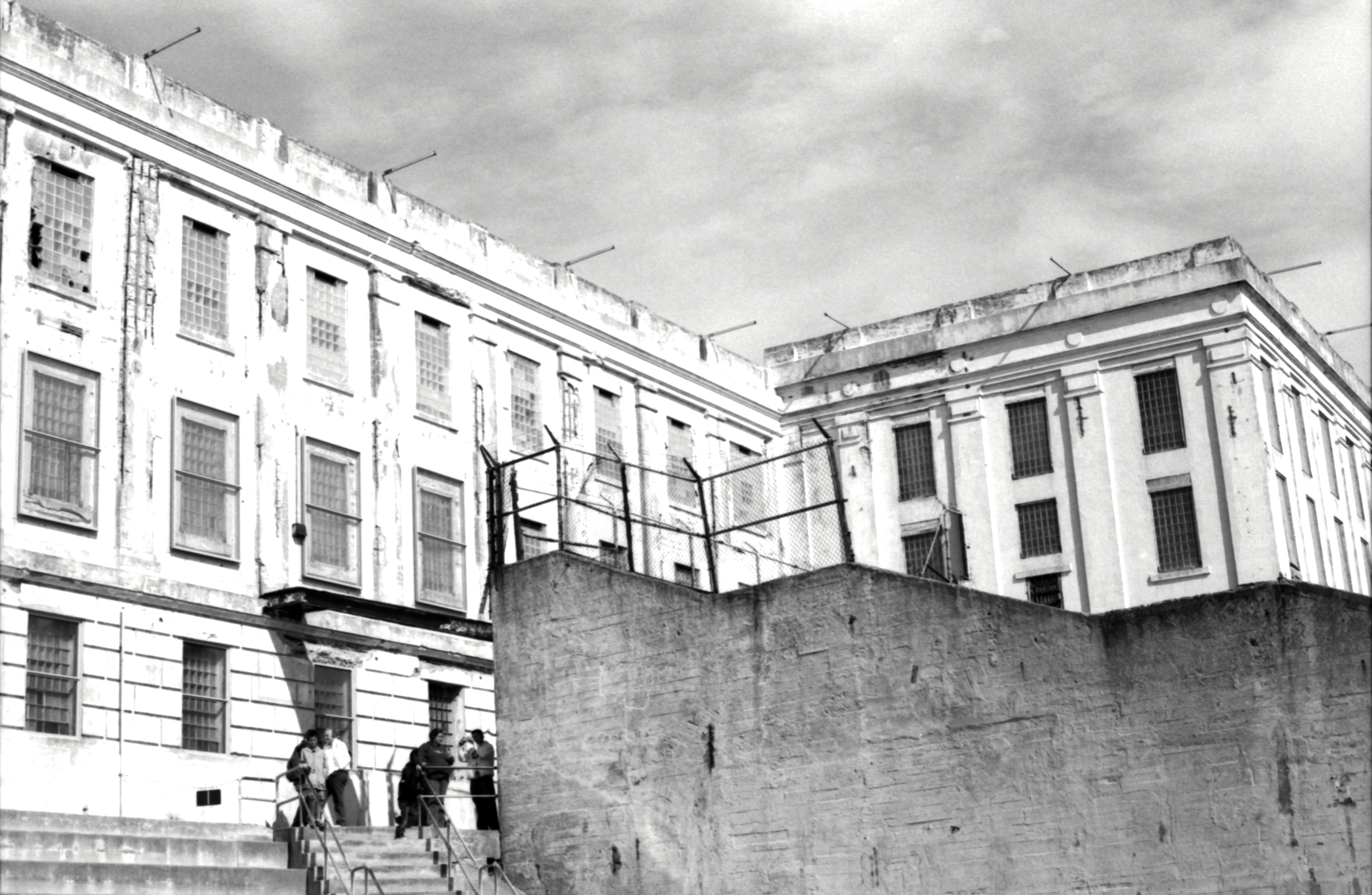
Canon AE1 - The westside of the cell house. The stairs lead to the courtyard below.

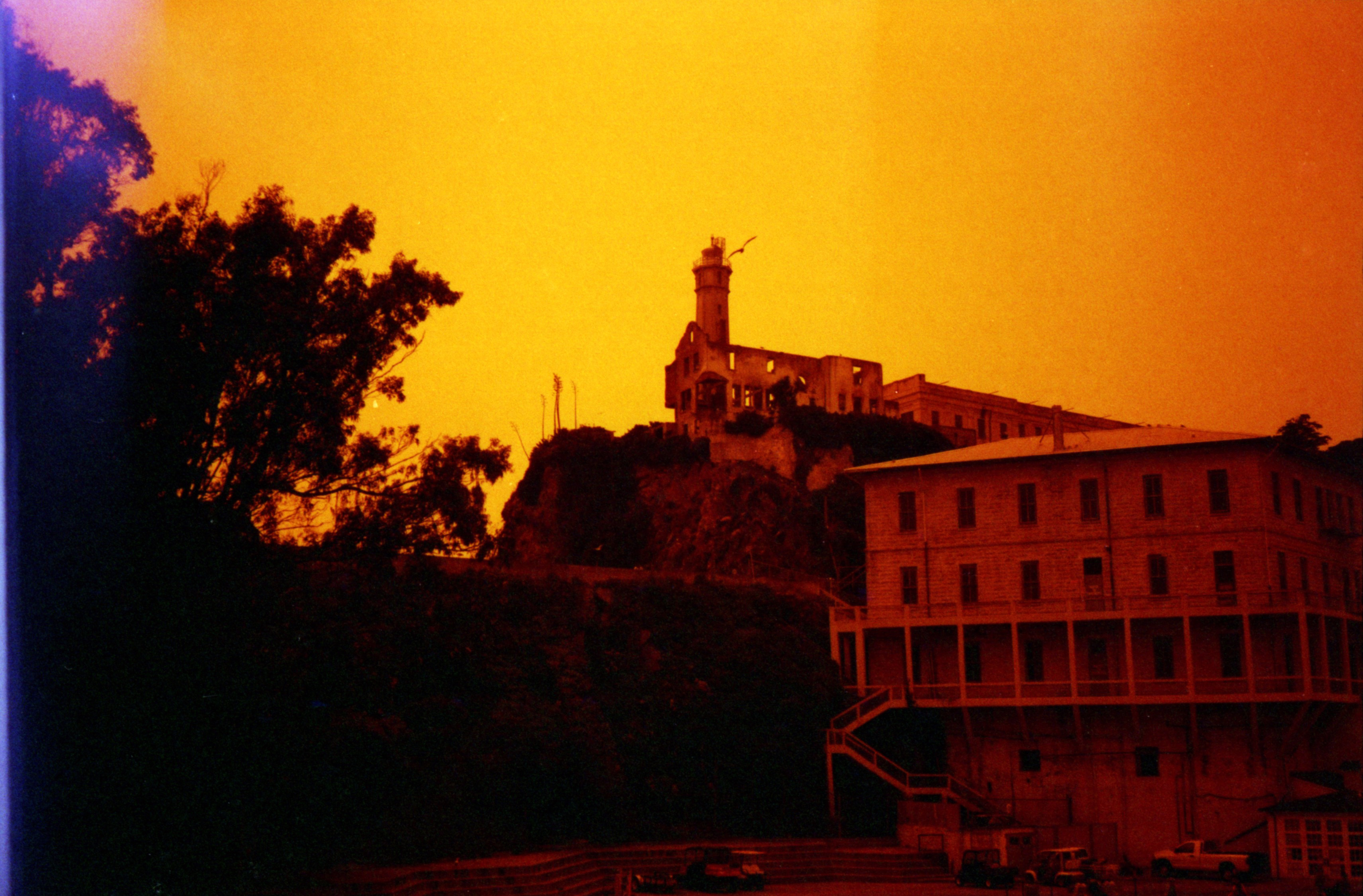
Desderi Robot 2 Lens - Southwestern side of Alcatraz, just below the lighthouse.

Konica C35 - Arriving on the island via ferry boat...

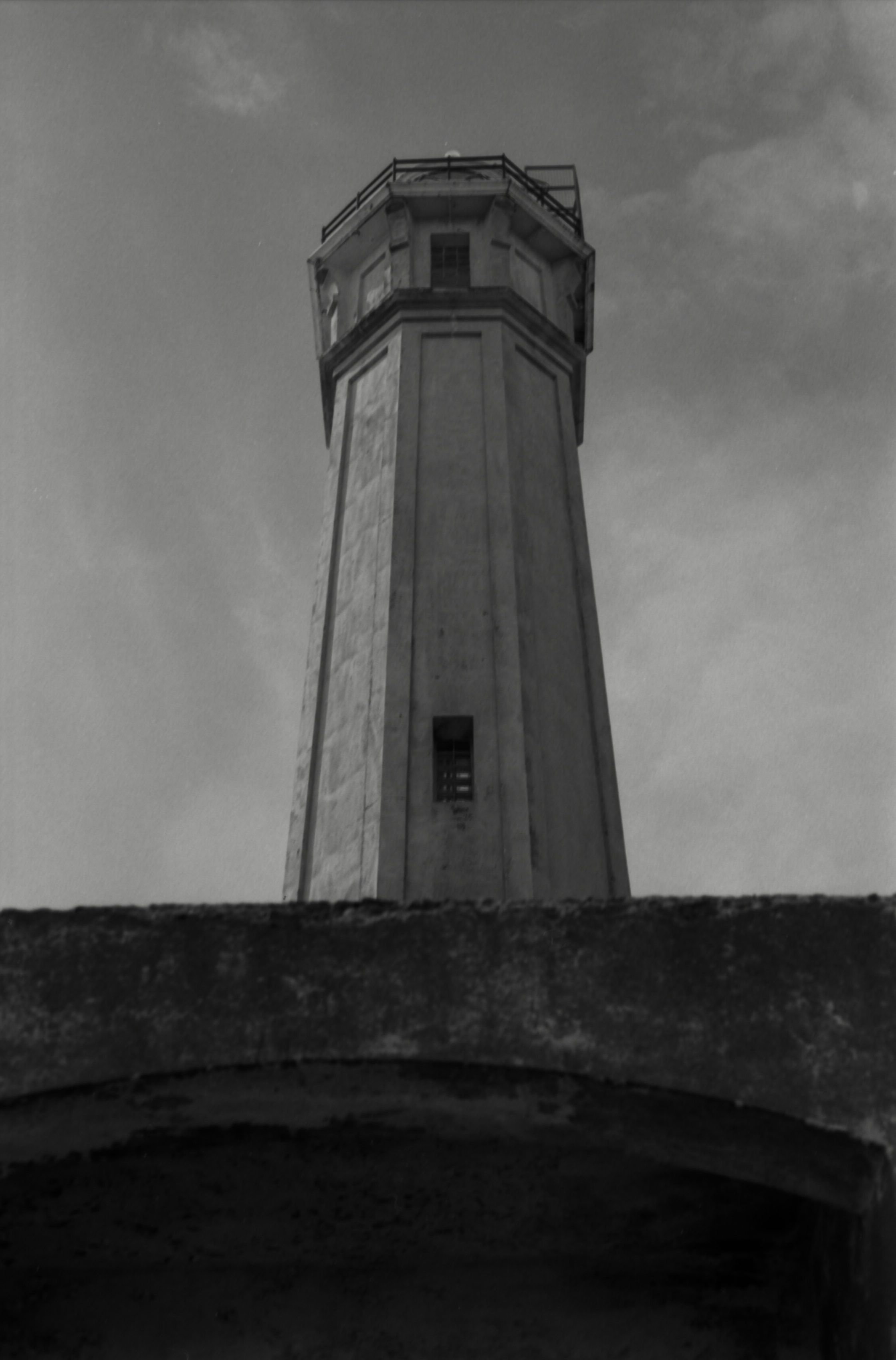
Canon AE-1 - The Lighthouse on Alcatraz Island facing south.

Superheadz Blue Ribbon - The road leading to the northside of Alcatraz.

Holga 120N - The water tower just behind the courtyard.

Konica C35 - On the way back to shore.

Filed under: Analog Life, PhotoLoc, Toy Camera, Vintage Camera, , , , , , , ,

Using 120 film in a Kodak Six-16 Brownie Junior

What Happened:

I was on Ebay, not too long ago, looking for any camera that was 1) affordable and 2) different from most of the analog cameras I’ve been buying.  I forgot what search words I used, but whatever it was, I ended up on a page with two Kodak Six-16 Brownie Juniors up for bid.   In the end, I ended paying around $25 for both of them, with shipping.

Kodak Six-16 Brownie Junior

When I got the cameras I realized where they got their names from.  They both use 616 film.  At first I thought that buying these cameras was a mistake, however, with help from Google, I found out there were ways to get 120 film to work in them.

Yay!

A Little Background:

Eastman Kodak came out with the Brownie Junior Six-16 in 1934, originally sold it for $2.75 and then discontinued it in 1942.

It’s 5″ tall, 3.25″ wide and 5.5″ deep.

The Six-16 used 616 film which was discontinued in 1984 in favor of 120 film.

There are two view finders on the Six-16; one on top for portrait shots and one one the side so you can take landscape shots.

f/Stops for both aperture settings are f/11 (tab down) and f/16 (tab up) and the shutter includes a bulb mode (tab out).

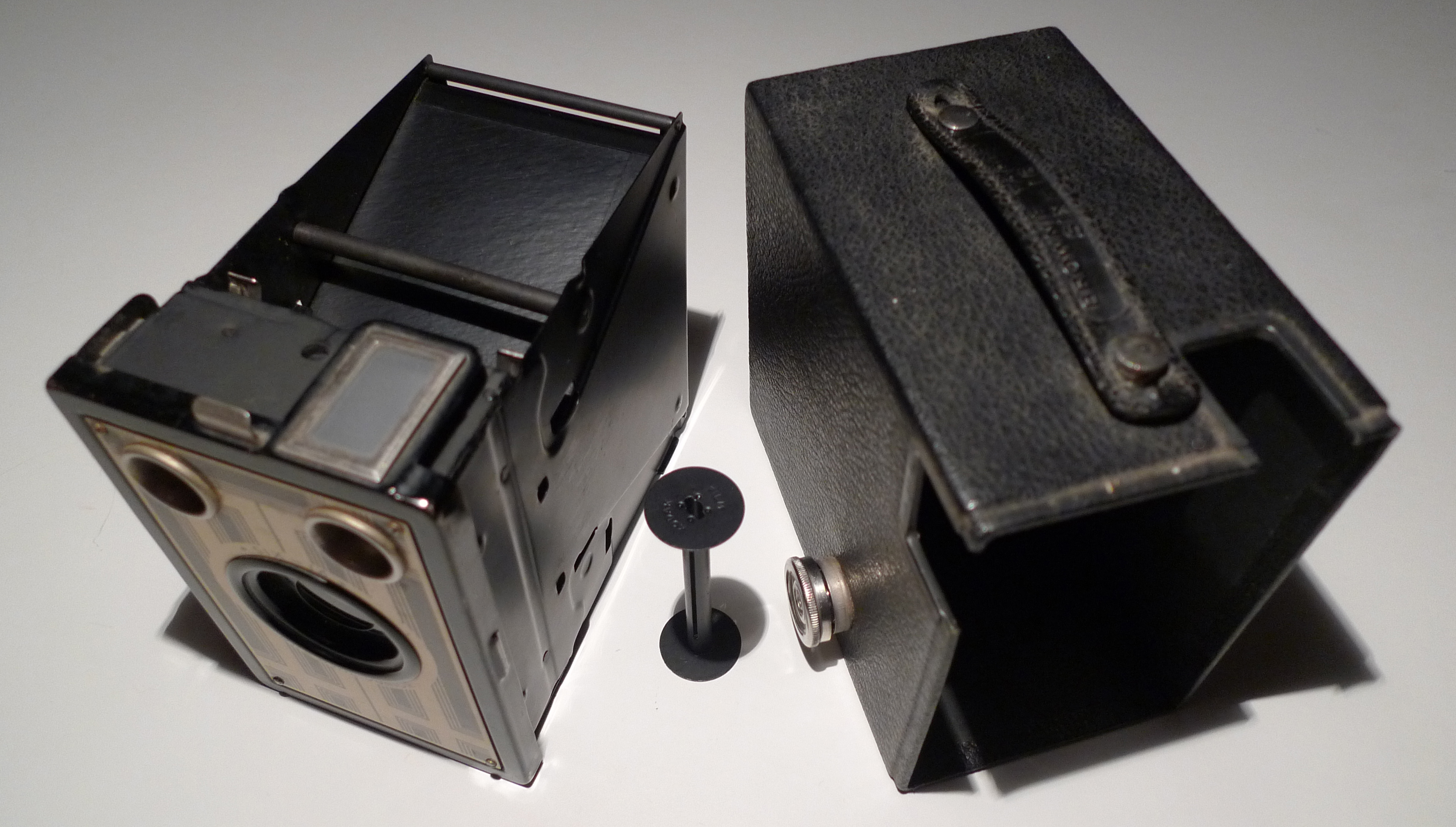
The metal frame, the 616 spool and the cardboard body covered in leatherette.

What To Do First:

First thing I did was clean decades worth of dust, dirt and contaminants on the mirrors and the lenses.  After unscrewing and removing the faceplate, I was able to access and cleaning the insides of the viewfinders and lenses.  I spruced up the mirrors and glass with a cotton swab and microfiber cloth.

These cameras were in really good shape.  The main frame is metal while the external body is made out of pretty thick cardboard.  Most of the camera was cleaned with a dry microfiber cloth and some patience.

Using 120 Film:

Fortunately, both cameras came with one empty 616 spool each, but still, I didn’t have any 616 film available.

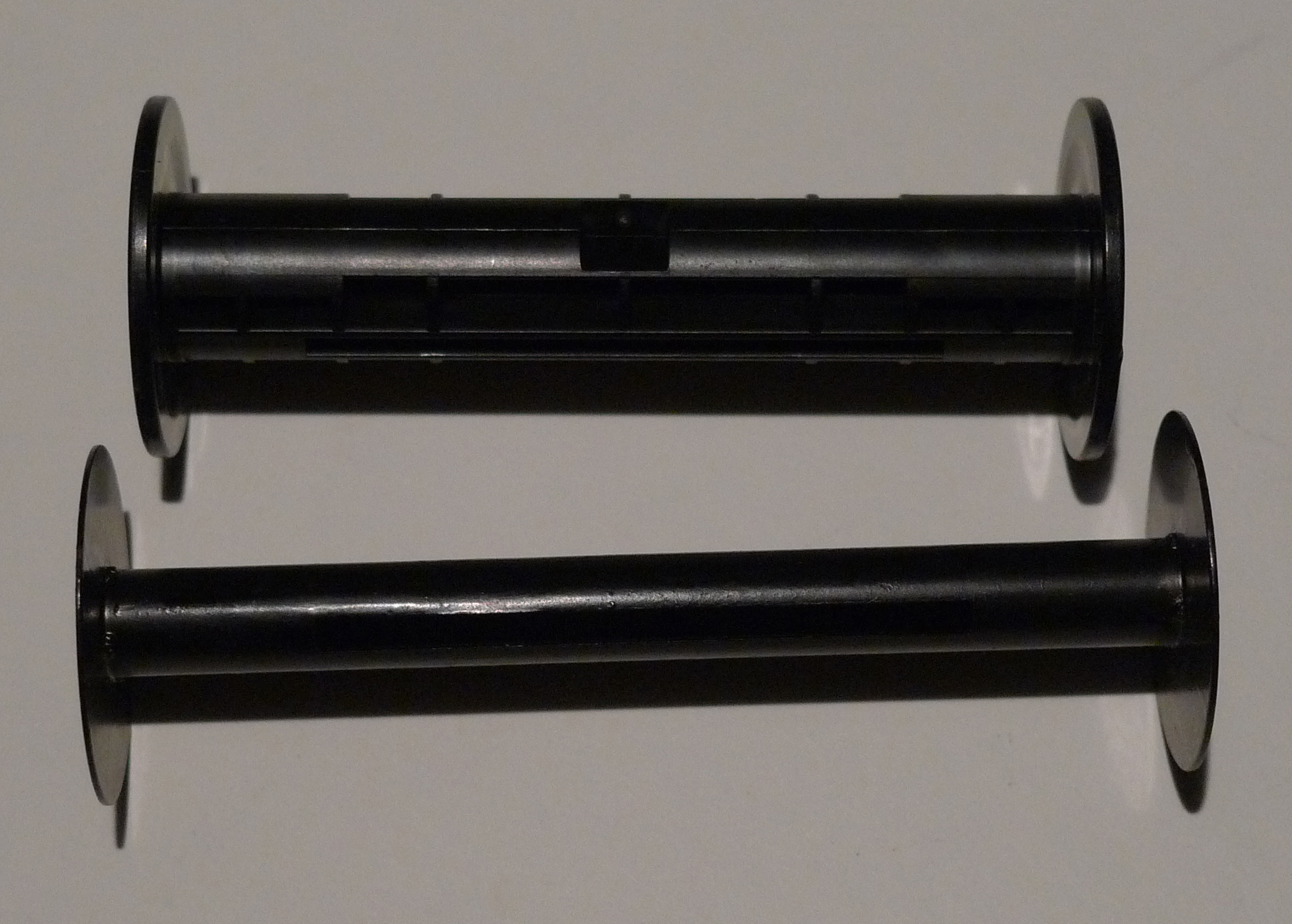
Above 120 Film Spool, Below 616 Film Spool

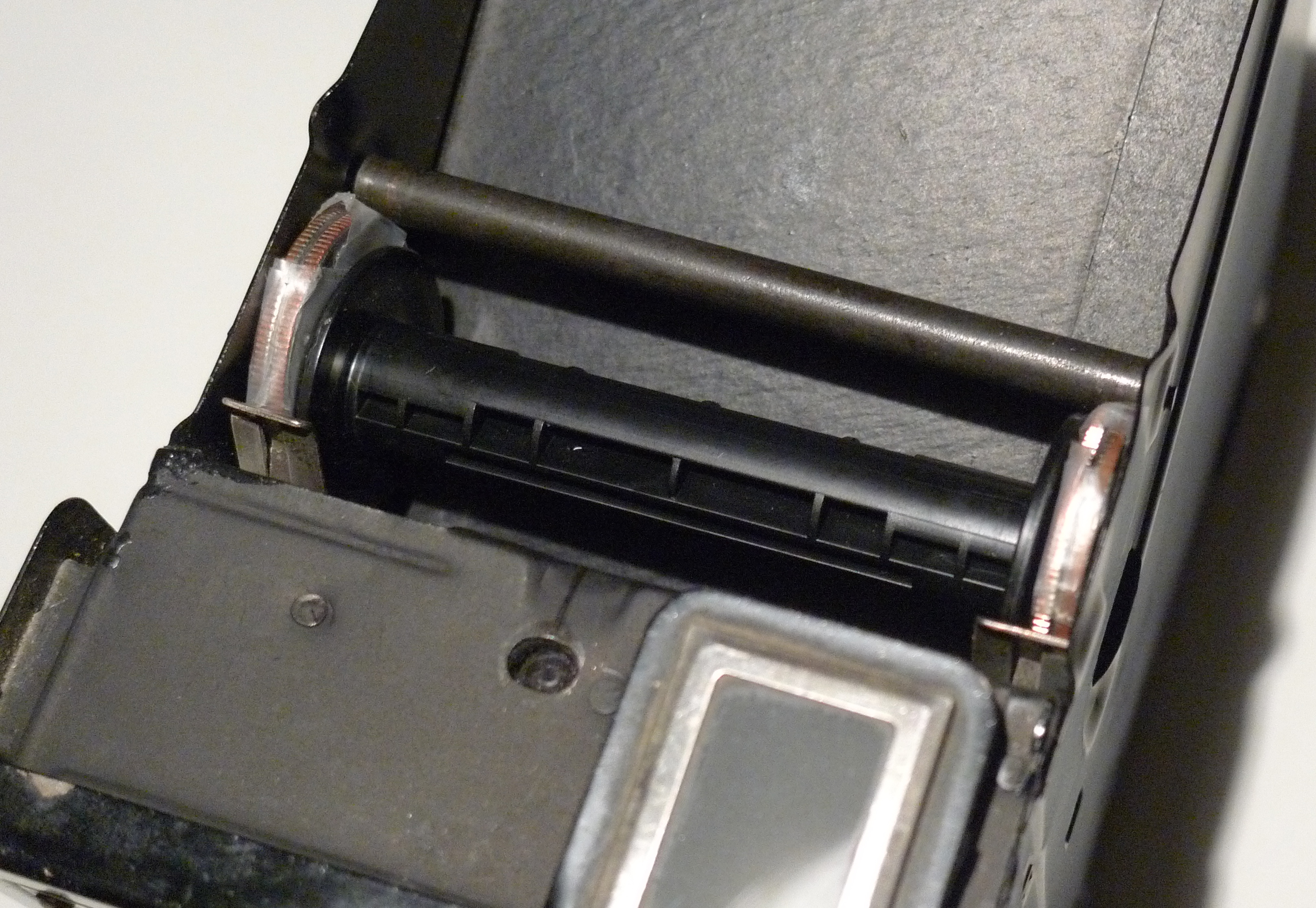
I went online and I saw that folks were able to take pictures with the Six-16 using 12o film rolls, however the 120 spools are shorter and have thicker stems.  After realizing that I just needed some spacers, I started tinkering around with washers and coins.  Eventually, I found that a couple of taped quarters on both ends of the 120 film spools make great spacers.  In the end, the quarters trick worked, but only on the film spool side of the camera.  The take-up side has a piece of knob that fits in the 616 spool, so using quarters would block the knob from doing it’s job.

Put the quarters on the film spool side at the top of the camera and 616 spool in the take-up section at the bottom.

Because of the large exposures being taken, and especially for the first frame, I loaded the film in the dark so that parts of the picture (frames 1 and 2) wouldn’t get any light.   As for frame counting on the 120 film, I shot at every three frames giving me five pictures total.  The order was 3, 6, 9, 12 and  15 .

After shooting all your film, go back to the darkroom and roll the film back to the 120 spool and take it to get developed.  I say to do this because 616 film spools are hard to find and you wouldn’t want to accidentally give away such an important piece of hardware to your photo developer.

The Test Run:

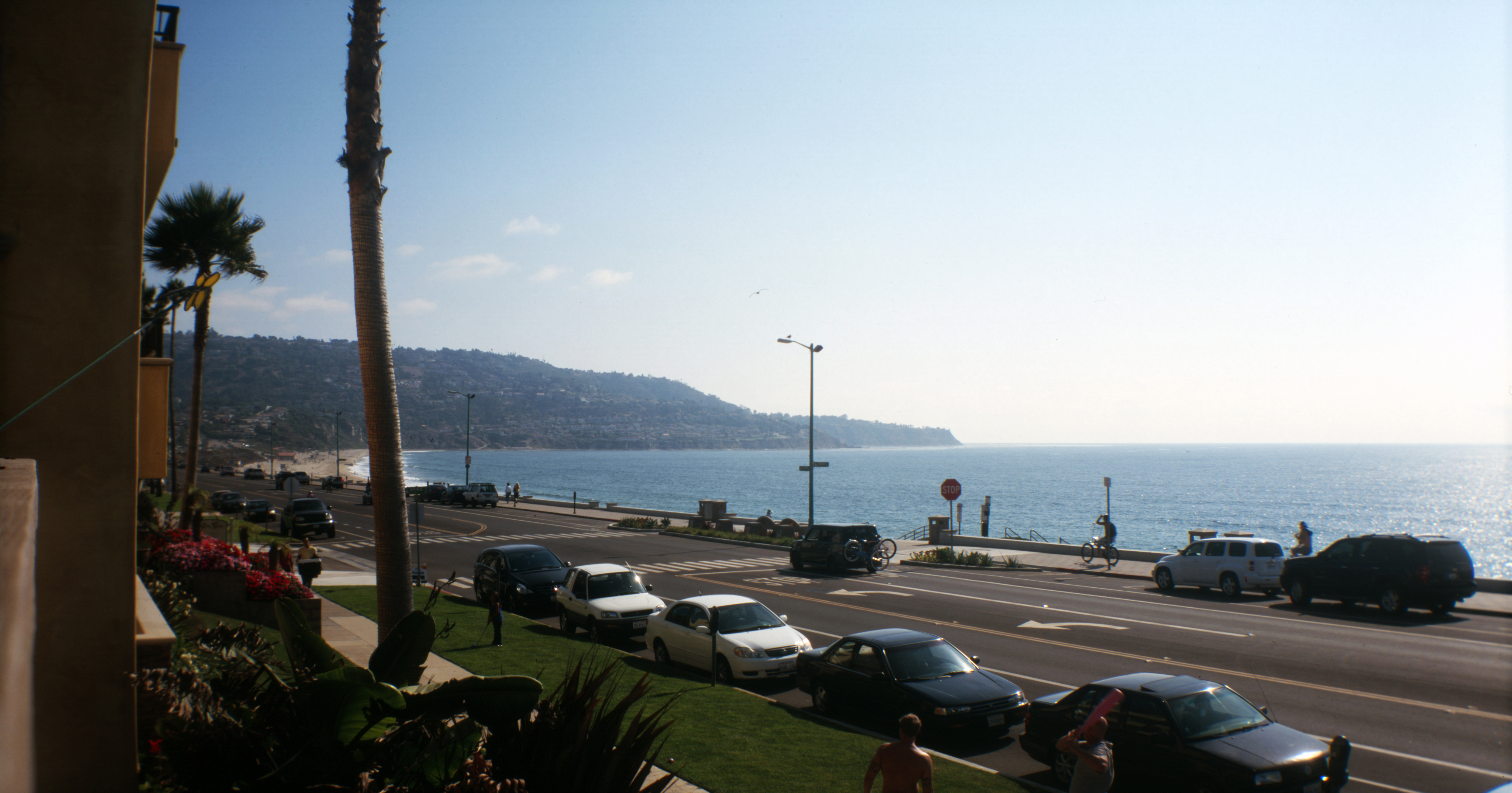
Here are a few pictures I took with the Kodak Six-16 Brownie Junior on 120 film.  Not bad, eh?

Shoreline at Torrance Beach, CA

Sunset at Redondo Beach, CA

Fox Theater in Westwood, California

Filed under: Reviews, Tip, Vintage Camera, , , , , , , , , ,

In the Beginning…

Call it Toy Camera Photography, Lomography or Analog Photography – whatever it is, it’s still fun.  If it creates an image on film and I can scan it, I’ll do it!!!

Folks ask me, “why shoot on film?  Digital is easy.”  My response is always the same:

“You either like to eat or you like to cook.  I like to cook”

The same goes with photography. I want be a significant part of the process required to get my pictures to where I’ll be happy with them…and hopefully you will too.

In the past year, I’ve learned quite a bit about analog photography.  I’ve bought several cameras, attended workshops and consider myself a pretty active photographer.  I pretty much keep a camera next to me all the time, just ready to take that quick shot if I see it coming.

The purpose of this blog is share my experiences as I load, shoot, develop and print the dozens of pictures I take every week.  Hopefully, the feedback I get will teach me something as well.  I’ll focus on toy cameras (Desderi, Lomography), Russian cameras (Kiev, Smena), modern film cameras (Fuji, Lomo) and older cameras from yesterday (Canon, Konica); if I have to spool it, I’ll use it.  I’ll also experiment with film, lights and other important pieces needed to make this as informative a blog as possible.

That’s it for now, but be on the look-out for upcoming posts…

Fun at Alcatraz with a Lomography ActionSampler Flash and B/W film

Filed under: Analog Life, Russian Camera, Toy Camera, Vintage Camera, , , , , , , ,